
2026 Top Mini Pleated Dress Styles for Global Buyers?

Time:2026-10-23 Author:Henry
0%

The 2026 Mini Pleated Dress market is moving toward lighter fabrics, adaptable silhouettes, and more responsible sourcing. Global buyers are watching styles that balance visual movement with practical retail requirements. Fine accordion pleats can create a fluid shape, while wider knife pleats offer a cleaner, more structured appearance. Both directions are gaining attention.

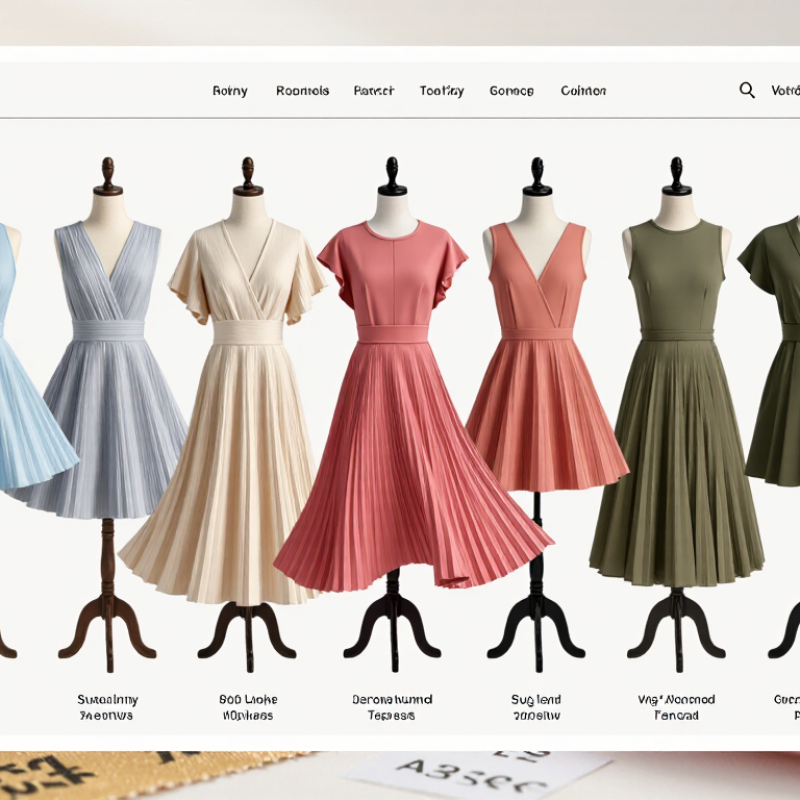
This guide examines the details that influence commercial potential. Fabric recovery matters after repeated wear and washing. Polyester blends remain popular for dependable pleat retention, while recycled fibers support sustainability goals when verified documentation is available. Soft linings, secure waistbands, and breathable construction can improve comfort across different climates. Color choices also deserve care. Powder blue, warm ivory, muted coral, and deep olive may suit varied seasonal collections.

Small details matter.

For international buyers, a successful style must work beyond photographs. Measurements should be checked against regional size expectations, including waist stretch and skirt length. Suppliers should provide clear material information, testing records, care labels, and transparent production terms. Compliance requirements can differ between destination markets, so professional review remains essential. Minimum order quantities, sample accuracy, packaging, and delivery reliability also affect final costs.

No trend forecast is flawless. A dramatic pleat may attract attention but perform poorly in everyday wardrobes. Likewise, sustainable claims need evidence, not attractive wording alone. By comparing design appeal with verified quality and realistic purchasing conditions, buyers can identify Mini Pleated Dress styles with stronger long-term value in 2026.
2026 Top Mini Pleated Dress Styles for Global Buyers?

Mini Pleated Dress Styles: Definition and Key Features

A mini pleated dress is a short dress shaped with repeated folds, usually above the knee. The pleats create movement, texture, and a defined silhouette without heavy decoration. Common styles include knife pleats, box pleats, and soft accordion folds. Each type changes the dress’s volume and visual rhythm.

In fitting work, I have found that fabric choice matters more than many buyers expect. Lightweight polyester holds sharp pleats well, while blended fabrics can feel softer against the skin. A stable waistband improves comfort and prevents uneven draping. Lining also matters, especially when the skirt is light-colored or slightly sheer. Small details count.

For global buyers, key specifications should include pleat width, skirt length, waist measurements, fabric weight, and seam quality. Buyers should request a sample before confirming bulk production. Pressing can flatten pleats during packing, so folding and recovery tests are useful. Color accuracy should be checked under different lighting conditions. This step is often overlooked.

A reliable supplier should provide consistent measurements and clear material information. Still, no sample predicts every production issue. Pleats may loosen after washing or shift near the side seams. That possibility deserves honest discussion. A practical mini pleated dress balances structure, comfort, movement, and dependable manufacturing quality.

Top 2026 Mini Pleated Dress Trends for Global Buyers

The Top 2026 Mini Pleated Dress Trends for Global Buyers point toward movement, comfort, and adaptable styling. Pleats are becoming finer, softer, and more structured around the waist. Buyers should watch ivory, muted blue, sage, chocolate, and practical black. These shades photograph well and support wider seasonal use.

McKinsey and The Business of Fashion’s State of Fashion 2025 expects low single-digit global fashion growth. That outlook encourages buyers to choose versatile products rather than short-lived novelty pieces. A lightweight recycled polyester blend can improve drape and reduce shipping weight. However, fabric claims require supplier certificates and traceable documentation. Do not rely on attractive wording alone.

Small checks, micro-stripes, and tonal pleats may perform well across different markets. Adjustable waist tabs can improve fit when size preferences vary between regions. Lined skirts are also valuable, especially for online shoppers inspecting garments under bright screens. Practical details matter. Product testing should include repeated sitting, washing, and pleat recovery. One weakness remains: trend forecasts cannot predict every local preference. A dress that sells strongly in one city may feel too short elsewhere. Global buyers should test limited quantities, compare return reasons, and refine measurements before larger orders. McKinsey’s consumer-focused findings also reinforce the need for value, durability, and clear product information in a cautious market.

Popular Fabrics, Colors, Patterns, and Pleat Designs

Mini pleated dresses are gaining attention among global buyers because they combine movement, compact packing, and visible texture. Lightweight polyester remains practical for export programs. Textile Exchange’s 2024 Materials Market Report recorded 124 million tonnes of global fiber production in 2023. Polyester represented about 57% of that volume. Recycled polyester can support lower-impact collections, but buyers should verify certification and supplier records. Satin creates a fluid shine, while cotton blends offer a softer, more breathable hand feel.

Color selection is becoming more flexible. Black, ivory, navy, and muted beige remain dependable for wider markets. Clear red, soft blue, and butter yellow can refresh seasonal assortments. Trend forecasts often influence these choices, yet local climate and retail habits matter more than a color chart. A bright shade may sell quickly in one region and remain untouched in another. I have found that small color tests are safer than large commitments.

Patterns should stay readable after pleating. Micro florals, narrow stripes, and small geometric repeats usually maintain clarity on a short silhouette. Large prints can distort across folded panels. Knife pleats create a crisp, vertical effect, while accordion pleats provide stronger movement. Sunray pleats add visual drama but may increase production complexity. Buyers should inspect recovery after washing, seam stability, and hem behavior. A dress that looks perfect on a sample model may lose shape in real use. That assumption can fail.

Sizing, Fit, Quality Standards, and Customization Options

2026 Top Mini Pleated Dress Styles for Global Buyers?

Sizing, Fit, Quality Standards, and Customization Options

Mini pleated dresses need precise sizing because short hemlines leave little room for fit errors. Global buyers should request bust, waist, hip, shoulder, and finished-length measurements. Include tolerance ranges, usually within 1–2 centimeters. A reliable size chart also explains how the fabric stretches. Do not trust measurements alone. Fit samples on different body shapes reveal practical problems. One model may fit perfectly, while another feels tight across the hips.

Quality checks should cover pleat recovery, seam strength, lining security, and colorfastness. After pressing, pleats should return evenly without visible waviness. Lightweight fabrics need stable stitching around zippers and armholes. Buyers should request inspection photos and a measurement report before bulk approval. However, no quality system is perfect. Even careful teams can miss uneven pleats near the side seam.

Tips: Ask for a pre-production sample in the final fabric. Test movement by sitting, walking, and raising both arms. Check whether the hem rides upward. For customization, buyers can adjust pleat depth, sleeve shape, neckline, lining, length, and decorative trims. Keep changes documented in one approved specification sheet. Small revisions often affect cost and production timing. A thoughtful buyer should review the sample twice, because the first fitting may hide uncomfortable details.

Sourcing, Pricing, and Market Selection Considerations

Mini pleated dresses remain attractive because they combine movement, compact packing, and visible texture. Grand View Research estimated the global women’s apparel market at over USD 1 trillion in 2023. Its report also projected continued growth through 2030. However, category growth does not guarantee a profitable order.

Sourcing should begin with fabric testing, not photographs.

Polyester pleats usually offer stable recovery, while blended fabrics may improve hand feel but raise costs. Ask suppliers to measure pleat retention after washing, seam strength, and color consistency. A practical quotation should separate fabric, labor, packaging, sampling, and freight. Current freight rates can change quickly. McKinsey and The Business of Fashion’s State of Fashion 2025 reported modest fashion growth expectations, making cost discipline more important. A low unit price can hide weak pleat setting or expensive rework.

Market selection needs sharper evidence.

Lightweight styles may suit warm regions, while lined versions can perform better in cooler cities. Review local search volume, average dress prices, size demand, and seasonal calendars before setting minimum order quantities. EU buyers may prioritize fiber information and traceability. North American buyers often test smaller batches first.

These are useful tendencies, not fixed rules. I would compare at least three supplier samples before choosing a market. My own bias is worth admitting: visual appeal can overstate commercial potential. One attractive sample is not enough. Test return reasons, fit feedback, and repeat-order interest before scaling.

FAQS

Which colors are suitable for global mini pleated dress collections?

Black, ivory, navy, muted blue, sage, chocolate, and beige offer broad styling options. Bright colors need small market tests first. Preferences vary sharply by region.

Which fabrics work well for mini pleated dresses?

Lightweight polyester supports compact packing and consistent pleat structure. Cotton blends feel softer and more breathable. Satin adds fluid shine. Recycled fibers require certificates and traceable supplier records.

Which patterns remain clear after pleating?

Micro florals, narrow stripes, small checks, and tonal designs usually remain readable. Large prints may distort across folded panels. That risk is easy to miss.

What pleat designs are popular for 2026 collections?

Knife pleats create crisp vertical lines. Accordion pleats provide noticeable movement. Sunray pleats add drama but may increase production complexity. The most dramatic option is not always the safest.

What measurements should buyers request?

Request bust, waist, hip, shoulder, and finished-length measurements. Include tolerance ranges, usually within one or two centimeters. The size chart should explain fabric stretch clearly.

How can buyers test fit before placing larger orders?

Use samples on different body shapes. Ask wearers to sit, walk, and raise both arms. Check whether the hem rides upward. One fitting may not reveal every problem.

Which quality checks matter for pleated mini dresses?

Inspect pleat recovery, seam strength, lining security, colorfastness, and hem stability. Repeat washing and sitting tests. Pleats should return evenly after pressing.

How can buyers reduce inventory risk?

Order limited quantities first and compare sales with return reasons. Test colors, lengths, and sizes by region. A dress may succeed in one city and feel too short elsewhere.

Conclusion

The Mini Pleated Dress is a versatile fashion item defined by its short length, structured pleats, and easy movement. For global buyers in 2026, leading styles are expected to include refined school-inspired silhouettes, sporty casual designs, elegant party versions, and adaptable day-to-evening dresses. Key choices will include lightweight polyester blends, satin, chiffon, cotton, and recycled fabrics, along with popular shades such as black, white, pastels, earth tones, and vivid seasonal colors. Buyers can also explore solid colors, subtle prints, geometric patterns, knife pleats, box pleats, and sunburst pleats.

Successful sourcing requires careful attention to sizing consistency, waistband comfort, lining, stitching quality, colorfastness, and fabric durability. Suppliers may offer customization for measurements, labels, packaging, colors, pleat depth, and pattern placement. Before selecting a market, buyers should compare target-customer preferences, order quantities, lead times, shipping costs, pricing levels, and quality-control procedures. A balanced product strategy can help businesses offer fashionable, reliable, and commercially suitable mini pleated styles across different regions.

Henry

Henry

Henry is a dedicated marketing professional with a profound expertise in the company's offerings. With years of experience in the industry, he possesses an impressive understanding of the market dynamics and consumer behaviors that drive success. Henry is committed to sharing his insights through......