
What Are the 2026 Top Pleated Midi Dress Trends for Buyers?

Time:2026-09-06 Author:Oliver
0%

The 2026 Pleated Midi Dress market is moving beyond simple volume and seasonal color updates. Buyers are examining how pleats recover after sitting, how fabric behaves under store lighting, and whether waistlines suit different body shapes. Soft metallic finishes, fine knife pleats, relaxed A-line cuts, and adjustable waist details are gaining attention. Buyers also want practical information, including fabric composition, care instructions, size measurements, and verified supplier records.

The details matter. Fit still wins. A dress may look elegant on a showroom mannequin but feel restrictive during a full workday. Experienced buyers should request samples, test repeated folding, and inspect seam strength near the waistband. Recycled polyester, lightweight satin, and blended viscose can support different price points, but each material has weaknesses. Satin may snag easily. Viscose may shrink without careful finishing. Forecasting is never exact, and trend reports can overstate early signals. A useful buying plan should compare runway direction with customer feedback, sell-through data, and regional climate needs. It should also consider return rates, packaging quality, and supplier communication. This introduction explores the leading 2026 styles through a practical, evidence-aware lens. The goal is not to chase every glossy trend. It is to identify Pleated Midi Dress designs that balance visual appeal, comfort, quality control, and commercial reliability. Some predictions may change. That is worth acknowledging. Good buyers leave room to test, learn, and adjust before committing to large orders.
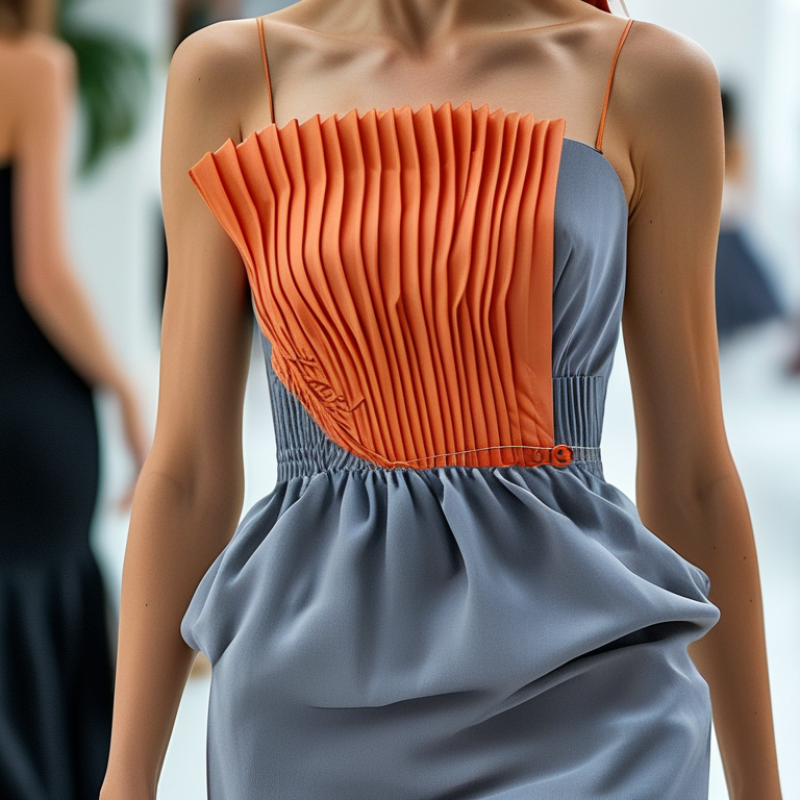
What Are the 2026 Top Pleated Midi Dress Trends for Buyers?

2026 Pleated Midi Dress Trends: Key Styles and Market Definitions

For buyers, a pleated midi dress in 2026 means more than a skirt falling below the knee.

The market generally defines it by three features: a mid-calf length, visible folded texture, and a dress construction suitable for repeated wear. Designers are refining knife pleats, soft accordion pleats, and irregular pressed folds. Each option creates a different movement pattern on the body.

Lightweight recycled polyester remains practical for buyers because it holds pleats and dries quickly. Viscose blends offer softer movement, but they may crease during shipping. Cotton blends feel breathable and familiar. However, they often need stronger finishing to preserve the folds.

Check fabric recovery, seam quality, lining coverage, and washing instructions before placing larger orders. Small details matter.

Color direction is moving toward muted clay, fog blue, olive, and warm cream. Buyers are also reviewing darker neutrals for office and occasion collections. Adjustable waists, modest necklines, and side pockets can improve sell-through across age groups.

Metallic threads and sheer panels may attract attention, yet they can reduce everyday usability. This definition is useful, but not perfect. A midi hem can look elegant on one body and awkward on another. Fit testing across several heights remains essential. Forecasts can misread demand. Real customer feedback should still influence the final assortment.

Fabric, Pleat, and Silhouette Developments Shaping 2026 Collections

For 2026, buyers are examining how fabric changes the behavior of a pleated midi dress. Lightweight recycled polyester remains practical because it holds sharp folds and dries quickly. Tencel blends offer softer movement and a cooler hand feel. Matte satin is also returning, but it can reveal pressure marks during packing. That detail deserves testing before bulk orders.

Pleat development is becoming more varied. Narrow accordion pleats create rhythmic movement, while wider knife pleats give a cleaner, more architectural finish. Hybrid designs may combine fine pleats at the waist with broader folds near the hem.

I have found that uneven pleat recovery often appears after steaming or long storage. A simple wear test can expose this problem early.

Silhouettes are shifting between fluid volume and controlled structure. High-waisted midi dresses with softly flared skirts suit everyday collections. Straight columns with side openings feel more refined and use less fabric. Adjustable waist details may improve fit across different body types, although excessive hardware can weaken the clean appearance. Buyers should check hem balance, lining comfort, and color consistency under daylight. Some trend forecasts seem too confident; real customer movement may challenge them.

Color, Print, and Detail Directions for the 2026 Buyer

For 2026, pleated midi dresses are moving toward controlled color and practical elegance. WGSN and Coloro selected Transformative Teal as their 2026 Color of the Year. This supports deep aqua, mineral blue, and softened green as strong buying directions. These shades photograph well and work across spring and transitional assortments. Buyers should also test warm clay, butter yellow, and quiet ivory. Too much beige may feel safe, but it can weaken visual distinction.

Prints need clearer commercial logic. The BoF and McKinsey State of Fashion 2025 report found that 80% of fashion executives expect conditions to remain difficult or worsen. Buyers therefore need prints that justify their shelf space. Fine botanical lines, softened geometrics, and irregular micro-checks can offer repeat wear. Small-scale placement prints may reduce markdown risk. Still, overly delicate patterns can disappear on pleated surfaces. That is a real concern.

Detail direction should make movement visible. Look for knife pleats, uneven pleat widths, and controlled volume through the skirt. Adjustable waist tabs, discreet lining, and side pockets add measurable value. Fabric testing matters. A pleat can collapse after washing, especially in lightweight synthetics. I would request wash trials and close-up sample photos before confirming depth. According to Circana’s apparel tracking, consumers continue to scrutinize value and versatility. Therefore, a midi dress should move from office hours to dinner without looking unfinished. The strongest options balance softness with structure. Perfect styling is not always the answer.

Fit, Occasion, and Customer Segment Considerations

What Are the 2026 Top Pleated Midi Dress Trends for Buyers?

In 2026, buyers are showing stronger interest in pleated midi dresses with flexible movement and controlled volume. Soft accordion pleats create a fluid shape without making the skirt look heavy. Fine knife pleats suit slimmer silhouettes and polished workwear collections. Buyers should inspect pleat recovery after sitting, folding, and gentle washing. A dress may look attractive on a hanger but lose structure during daily wear. That detail matters.

Fit should match the customer’s real body needs, not only seasonal styling images. Elasticated waistlines support comfort, while defined waist seams create a sharper profile. Petite customers often prefer lighter fabrics and higher waist placement. Taller customers may welcome longer hems and deeper pleats.

Occasion also changes the best design. Matte fabrics work for offices and daytime events. Satin-touch surfaces feel more suitable for dinners, though they can highlight pulling around the hips. Customer segments need separate choices. Younger shoppers may prefer asymmetrical hems and fitted bodices. Mature customers may value sleeves, lining, and easier movement. These preferences can overlap.

Tips: Review dresses on different body forms before placing large orders. Check transparency near windows, seam strength, and whether pleats stay even after movement. Offer neutral shades for dependable sales, then add a few expressive colors. Do not assume every customer wants dramatic volume. I have seen visually impressive samples perform poorly when the waistband felt restrictive. A small fitting mistake can become a costly return pattern.

Sourcing, Quality, and Commercial Evaluation Criteria for Buyers

What Are the 2026 Top Pleated Midi Dress Trends for Buyers?

For 2026, buyers should examine pleated midi dresses as commercial products, not only visual trends. Knife pleats offer a clean office-to-evening shape. Sunray pleats create movement with lighter fabrics. Soft accordion pleats suit relaxed silhouettes and travel collections. Shoppers also expect adaptable clothing. McKinsey and The Business of Fashion’s State of Fashion 2025 identifies value, durability, and cautious spending as major market pressures.

Fabric selection decides the real margin. Polyester blends hold pleats well, but dense constructions can feel warm and cheap. Recycled polyester may support material claims, yet suppliers must provide traceable documentation. Textile Exchange reported 124 million tonnes of global fiber production in 2023, showing the scale of material scrutiny. Ask for fiber certificates, fabric weight, recovery testing, and shrinkage results. Do not trust a sample alone.

Test the garment after three home washes. Check pleat memory, waistband twisting, lining cling, and color transfer. ISO 6330 laundering procedures can improve comparison between suppliers. For quality control, inspect ten garments from different cartons, not just the first sample. A practical target is consistent pleat spacing within the agreed tolerance. Small deviations become visible across a full rack. I have seen attractive samples fail during packing because pleats flattened under pressure. That risk deserves a carton test. Buyers should also calculate landed cost, minimum order quantity, alteration rates, return risk, and delivery reliability. The cheapest offer is often incomplete.

FAQS

: What defines a pleated midi dress in 2026?

: It usually reaches mid-calf, shows visible folds, and supports repeated wear. Length alone is not enough.

Which pleat styles are gaining attention?

Knife pleats create a clean, structured appearance. Soft accordion pleats add gentle movement. Sunray pleats suit lighter fabrics and flowing shapes. Hybrid pleats can combine narrow waist folds with wider hem folds.

Which fabrics work well for these dresses?

Lightweight recycled polyester holds pleats and dries quickly. Viscose blends feel soft but may crease during shipping. Cotton blends feel breathable but need stronger finishing. Matte satin looks elegant, yet packing pressure can leave marks.

What should buyers test before placing larger orders?

Check fabric recovery, seam strength, lining coverage, and washing instructions. Test the dress after three home washes. Examine pleat memory, waistband twisting, lining cling, and color transfer.

Which colors may suit 2026 collections?

Muted clay, fog blue, olive, and warm cream are practical directions. Dark neutrals may suit office and occasion ranges. Color should be checked under daylight.

Which design details can improve everyday sales?

Adjustable waists can support different body shapes. Side pockets add useful function. Modest necklines may widen customer appeal. Sheer panels and metallic threads look striking, but they can reduce daily wear.

How should buyers evaluate pleat quality?

Inspect ten garments from different cartons. Compare pleat spacing against the agreed tolerance. Steam one garment and store another under pressure. Uneven recovery may appear later.

Can one silhouette suit every customer?

No. A midi hem may flatter one height and look awkward on another. Test several body heights and movement patterns. Trend forecasts can be wrong. Customer feedback should change the final assortment.

Conclusion

In 2026, the Pleated Midi Dress is expected to evolve through a balance of movement, comfort, and commercial versatility. Buyers will see broader options in recycled blends, lightweight woven fabrics, fluid pleats, and structured accordion effects, supported by silhouettes that range from softly fitted waists to relaxed, easy-to-layer shapes. Designers are also refining pleat scale and placement to improve drape, reduce bulk, and create flattering proportions across different body types.

Color and print directions are likely to include refined neutrals, soft seasonal tones, energetic accents, and adaptable patterns suitable for multiple markets. Practical details such as adjustable waistlines, lining, functional pockets, and wrinkle-resistant finishes can strengthen product appeal. Buyers should evaluate each style by occasion, customer segment, size consistency, fabric recovery, stitching quality, care requirements, and production reliability. Strong commercial collections will combine visual distinction with dependable comfort, repeat-wear potential, and pricing that supports clear market positioning.

Oliver

Oliver

Oliver is a seasoned marketing professional with a wealth of expertise in driving brand awareness and engagement. With a deep understanding of our company's product offerings, he consistently delivers high-quality content that enriches our professional blog. His insights not only shed light on......