
7 Tips for Buying the Perfect Midi Pleated Dress

Time:2026-10-16 Author:Liam
0%

Buying a Midi Pleated Dress looks simple until fabric, fit, length, and care begin competing.

Pleats can flatter the waist, but they can also add unexpected volume around the hips. A glossy product photo may hide thin lining, uneven folds, or a waist that stretches after one wear. This guide, “7 Tips for Buying the Perfect Midi Pleated Dress,” focuses on practical checks before payment. You will examine pleat recovery, waistband comfort, hem placement, fabric weight, transparency, and cleaning instructions.

Quality matters more as shoppers reconsider disposable fashion. The McKinsey & Company and Business of Fashion State of Fashion 2025 report describes value-conscious consumers seeking stronger justification for purchases. The 2025 ThredUp Resale Report projects the global secondhand apparel market could reach $367 billion by 2029. That growth makes durability more than a style preference. It affects future wear, resale appeal, and cost per use.

Pleating pioneer Issey Miyake offered a useful design principle: “I want to make clothes that are comfortable, easy to wear, and easy to care for.” His words suit this garment perfectly. A Midi Pleated Dress should move when you walk, not demand constant adjustment. It should survive realistic care, not only a fitting-room mirror.

No checklist guarantees perfection. Bodies differ. Sizing charts can disappoint. Even careful buyers sometimes overlook a scratchy seam or awkward pocket. These seven tips cannot remove every risk, but they can make your decision more informed, measurable, and honest. Expect beauty, but inspect construction.
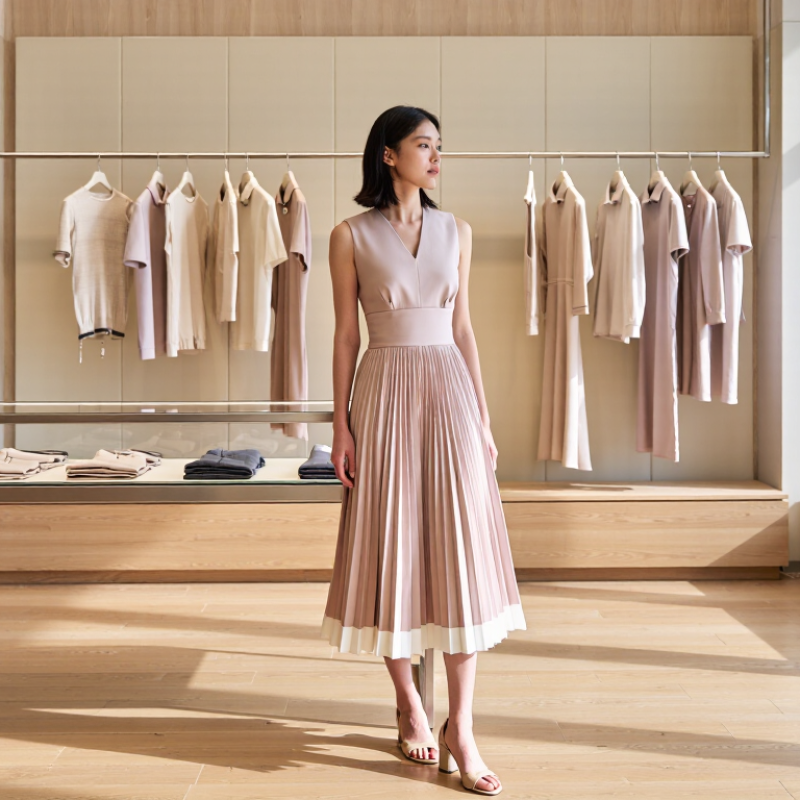
7 Tips for Buying the Perfect Midi Pleated Dress

Understand Midi Pleated Dress Styles and Fabric Choices

A midi pleated dress can look completely different depending on its pleat structure. Knife pleats create a clean, vertical line and suit polished office outfits. Accordion pleats open evenly, adding movement around the legs. Box pleats feel more architectural and may add visual width at the waist. Try walking, sitting, and turning before buying. A dress that looks elegant while still often feels restrictive when seated.

Fabric changes the dress’s comfort and shape. Polyester blends usually hold pleats well and resist wrinkles during travel. Chiffon feels light, but it may need a lining to prevent transparency. Satin reflects light beautifully, although it can reveal pulling around the hips. Cotton blends offer breathability, yet their pleats may soften after washing. Check the care label carefully. Heat can flatten delicate pleats.

I examine the waistband, hem, and inner lining before choosing a dress. The waistband should lie flat without digging into your skin. Pleats should fall evenly from the waist, not twist toward one side. Hold the fabric near a window and check its thickness. I once chose a beautiful lightweight style that clung to my tights in dry weather. That mistake taught me to test static and movement, not only appearance. A little imperfection is acceptable, but poor recovery after stretching usually signals weak construction.

Choose the Right Fit for Your Body Shape

A midi pleated dress should follow your body, not fight it. The SizeUK national sizing survey measured more than 11,000 people and found wide differences in body proportions. This matters because one standard size rarely fits every shape. Measure your bust, natural waist, and fullest hip area before shopping. Compare those numbers with the garment’s size chart, not only the label.

Tip 1: Balance your proportions. If your shoulders are broader, choose a softly gathered skirt and a defined waist. For fuller hips, look for pleats that begin below the hip line. Fine pleats usually create less visual volume than deep, rigid folds.

Tip 2: Check the bodice carefully. You should breathe comfortably, with no pulling across the bust or button gaps. A slightly shaped seam can add structure without squeezing your waist.

Tip 3: Test the length while moving. A midi hem may sit at the widest part of your calf, which can change your silhouette. Try walking, sitting, and turning before deciding. The ISO 8559-1 body-measurement standard supports using consistent measuring points, but real clothing still varies between cuts. That is the imperfect part. I sometimes prefer one size larger, then adjust the waist, because comfort photographs better than a strained fit. Choose lining carefully too. It should glide over the legs and avoid catching between pleats.

Match the Dress Length to Your Height and Occasion

A midi pleated dress should fall between the knee and mid-calf, but your height changes that visual balance. CDC NHANES data from 2015–2018 places the average adult woman’s height at 63.5 inches, or about 161 centimeters. Many shoppers are shorter or taller than this reference. Measure from your shoulder to mid-calf, rather than trusting the label alone. A hem that reaches the ankle can make a petite frame look compressed. A dress ending just below the knee often feels lighter.

For taller wearers, a longer midi can create a clean, elegant line. Look for a hem around the widest part of the calf only if you like added volume. That area can feel awkward. I learned this after choosing a pleated skirt that caught against ankle boots while walking. Small details matter. Try sitting, climbing stairs, and taking several steps before buying. Pleats may lift slightly when you move, so allow extra length for comfort.

The occasion should guide the final choice. For daytime work, a hem two to four inches below the knee usually looks polished with low heels or loafers. For weddings or evening events, a longer hem can appear more formal with streamlined shoes. The National Retail Federation and Appriss Retail reported $743 billion in U.S. retail returns in 2023, equal to 14.5% of sales. Fit-related mistakes contribute to avoidable returns, although the report covers all merchandise. Check the garment’s actual measurements and fabric drape. Size charts are useful, not perfect.

Coordinate Colors, Shoes, and Accessories

7 Tips for Buying the Perfect Midi Pleated Dress

A midi pleated dress works hardest when its colors cooperate. Start with one dominant shade, then add one supporting tone. Ivory pleats pair gently with tan shoes and a muted green bag. Navy looks sharper with burgundy or silver accents. Avoid matching every item exactly. It can feel flat. Euromonitor International’s 2024 apparel research highlights versatility and comfort as important purchase considerations. Choose colors you can repeat across workdays, dinners, and weekends. The dress should earn its space in your wardrobe.

Shoes change the dress’s attitude. Low block heels create balance, while clean sneakers make the pleats feel relaxed. Ankle boots can shorten the leg line, especially with a dark hem. I still get this wrong sometimes. I once chose heavy boots with fine pleats, and the outfit looked visually crowded. Keep it quiet. Accessories should echo one detail, not compete with it. Try a narrow belt, small earrings, or a structured bag. According to The Business of Fashion and McKinsey’s State of Fashion 2025, about 80% of fashion executives expected market conditions to remain difficult or worsen. That supports buying fewer, more adaptable pieces. Check the fabric movement in daylight, too. Pleats may photograph beautifully but fold awkwardly when you walk.

7 Tips for Buying the Perfect Midi Pleated Dress

Coordinate colors, shoes, and accessories with a practical styling checklist.

This chart shows the number of practical styling checks included in each buying tip. Use it to compare color coordination, footwear, accessories, silhouette, layering, and occasion suitability before choosing a midi pleated dress.

Check Quality, Care Requirements, and Overall Value

When buying the perfect midi pleated dress, inspect quality before admiring the silhouette. A beautiful shape cannot rescue weak construction. Run your fingers along the waistband, side seams, and hem. These areas should feel secure, even, and free from puckering. Check that the pleats return neatly after gentle movement. They should not flatten after one fitting. Hold the skirt near a window to test transparency. A lining should cover the body comfortably, not cling awkwardly. I once overlooked a loose zipper thread, and it became irritating after only two wears.

Care requirements affect the dress’s real value. Read the care label carefully, especially before choosing delicate fabrics. Some pleats need hand washing, low heat, or professional cleaning. That routine may become expensive or inconvenient. Ask yourself where you will store the dress. Pleated fabric often needs a hanger with enough space. Folding it tightly can create stubborn creases. A handheld steamer may help, but excessive heat can damage certain fibers. Test it carefully on an inside seam first.

Overall value means more than a low price. Consider cost per wear, comfort, repairability, and seasonal usefulness. A durable dress worn twenty times may outperform a cheaper dress worn twice. Check whether the hem can be altered without disturbing the pleats. Try sitting, walking, and reaching before purchasing. If the waistband digs in after five minutes, it will not improve at dinner. My judgment is not always perfect, so I take photos from different angles and review them later. That small pause often reveals poor balance or an awkward hemline.

FAQS

How should I coordinate colors with a midi pleated dress?

Choose one dominant shade and one supporting tone. Ivory works with tan shoes and a muted green bag. Avoid perfect color matching.

Which shoes suit a pleated midi dress?

Low block heels create balance. Clean sneakers make the outfit relaxed. Ankle boots may shorten the leg line, especially with dark hems.

How can accessories improve the outfit?

Let one detail repeat quietly. Try a narrow belt, small earrings, or a structured bag. Too many accents can crowd the pleats.

What should I check while walking in the dress?

Watch how the fabric moves in daylight. Pleats may look elegant in photos but fold awkwardly during real movement. I sometimes miss this.

How can I inspect the dress’s construction?

Run your fingers along the waistband, seams, and hem. They should feel secure and even. Look for puckering or loose threads.

How do I check whether the dress is too transparent?

Hold the skirt near a window. The lining should cover the body comfortably. It should not cling or twist while you walk.

What care requirements matter before buying?

Read the label carefully. Some pleats need hand washing, low heat, or professional cleaning. Store the dress on a spacious hanger.

How can I judge the dress’s overall value?

Consider comfort, repairability, cost per wear, and seasonal use. Try sitting, walking, and reaching. A tight waistband rarely improves later.

Conclusion

Finding the perfect Midi Pleated Dress starts with understanding how different pleat patterns, fabrics, and silhouettes affect the overall look. Lightweight materials create movement and breathability, while structured fabrics offer a more polished appearance. Consider your body shape when choosing the fit: a defined waist can highlight curves, while a relaxed silhouette provides comfort and balance. The dress length should also suit your height and the occasion. A slightly shorter midi style may work well for casual daytime wear, while a longer version can create an elegant look for formal events.

Color coordination is equally important. Choose shoes and accessories that complement the dress without overwhelming its texture and pleats. Neutral tones offer versatility, while carefully selected colors can add personality. Before buying, inspect the stitching, lining, pleat consistency, and fabric quality. Check the care instructions as well, since some materials require gentle washing or special handling. A well-made dress that fits your lifestyle and remains easy to maintain will provide better value and lasting enjoyment.

Liam

Liam

Liam is a dedicated marketing professional with a profound expertise in the industry, where he excels at highlighting the unique advantages of our core products. With a keen understanding of market trends and consumer needs, Liam frequently updates our company’s professional blog, providing......