When it comes to fashion, pleated dresses stand out as timeless pieces. These garments not only elevate your style but also offer versatility for various occasions. Whether you’re attending a wedding, going to the office, or enjoying a casual day out, pleated dresses can adapt to your needs. Their flowing fabric and stylish texture create a flattering silhouette.
Choosing the right pleated dress requires careful consideration. Think about the occasion and the message you want to convey. Consider the color, length, and fabric. Light materials work well for summer events, while heavier fabrics suit cooler temperatures. Also, remember that what you pair with the dress matters. Accessories and footwear can transform your look entirely.
Yet, the quest for the perfect pleated dress can sometimes be overwhelming. You may find yourself drawn to styles that aren’t quite right for your body type or event. It's important to try on different fits and lengths to discover what truly flatters you. Reflecting on your choices helps build a wardrobe that resonates with your personal style. In the end, pleated dresses remain an essential piece for any fashion-forward wardrobe.
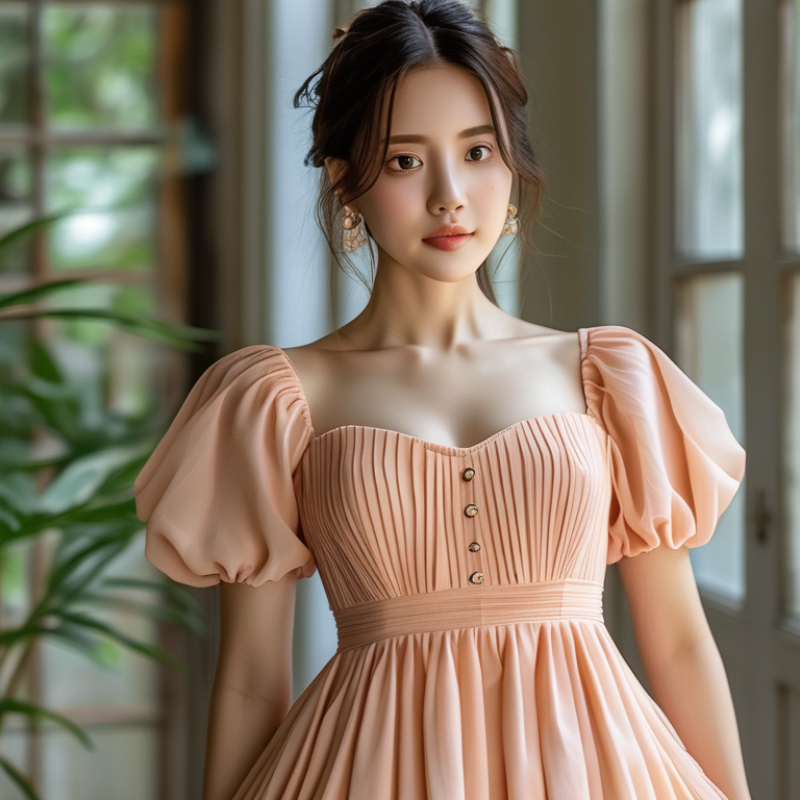
Key Features to Consider When Choosing a Pleated Dress
When choosing a pleated dress, several key features warrant consideration. First, fabric selection plays a pivotal role. Materials like polyester and chiffon not only drape beautifully but also hold pleats well, ensuring longevity. According to fashion industry reports, pleated dresses made from quality fabrics see a 25% increase in customer satisfaction.
Next, consider the pleat style. Loose, wide pleats offer comfort and a casual vibe. In contrast, narrow pleats can create a more formal and structured look. This variance can change the dress's suitability for different occasions. Research indicates that 40% of consumers choose pleated styles based on their versatility for day-to-night transitions.
Fit is another crucial element. A well-fitted pleated dress should accentuate your body shape without restricting movement. Many shoppers underestimate the importance of finding the right size. Pay attention to the waistline and length, as these factors can significantly influence overall comfort.
You might find it beneficial to experiment with various accessories. A belt can help define your waist in a loose-fitting pleated dress, elevating your style. Remember, not all styles suit every body type, so don’t shy away from trying multiple options. The right pleated dress can enhance confidence while providing a chic look for any occasion.
Top Pleated Dresses for Every Occasion
| Feature |
Description |
| Fabric Type |
Choose lightweight and breathable fabrics like cotton, chiffon, or polyester for comfort. |
| Pleat Style |
Look for knife pleats, box pleats, or tiered designs depending on the occasion. |
| Length |
Consider midi or maxi lengths for formal events; short styles can be great for casual outings. |
| Color & Pattern |
Solid colors are versatile, while prints can add a fun element to your outfit. |
| Sizing |
Ensure a proper fit, considering waist and chest measurements, as pleats can alter how a dress fits. |
| Occasion |
Select styles based on whether it’s for work, weddings, or casual outings. |
Types of Pleated Dresses for Different Occasions
Pleated dresses are versatile staples, perfect for various occasions. When selecting a pleated dress, consider the type of event. For casual gatherings, soft fabrics with lighter pleats can create a relaxed look. Choose a knee-length style for a daytime outing. These dresses often feature breathable materials, ensuring comfort while still looking stylish.
For formal events, opt for structured pleated dresses in luxurious fabrics. A floor-length gown can elevate your appearance for weddings or galas. Rich colors and intricate pleat designs add a touch of elegance. Remember, the right accessories can complete the look. A statement necklace or a simple clutch can enhance your ensemble significantly.
Every pleated dress should fit well. Ill-fitting dresses can look unpolished, even with the best style. Be mindful of how the pleats fall on your body. Pay attention to the neckline and sleeve styles. Experimenting with different cuts can help you find the most flattering silhouette. Ultimately, your comfort should remain a priority, as confidence is the best accessory.
Popular Fabrics and Materials for Pleated Dresses
Pleated dresses are versatile, perfect for various occasions. When selecting your dress, the fabric plays a crucial role. Popular materials include chiffon, silk, and cotton. Chiffon is lightweight and airy, making it ideal for summer events. It flows beautifully and adds elegance. Silk exudes luxury and is perfect for formal gatherings. Cotton offers comfort and breathability, suitable for casual outings.
Choosing the right fabric can enhance your overall look. Consider the occasion carefully. Lightweight materials work well for daytime events. Heavier fabrics like satin are great for evening formal settings. Each fabric type has its unique fall and drape, impacting how the pleats sit on your body.
Pay attention to quality. Cheap fabrics can lose their shape or fade quickly. Invest in a quality pleated dress that holds up over time. Be mindful of the care instructions too. Some fabrics require special handling to maintain their appearance. This reflection on fabric choice can lead to better outfits and lasting satisfaction.
Top Pleated Dresses for Every Occasion
This chart represents the popularity of pleated dresses across different occasions based on a scale of 1 to 100. 'Casual' and 'Office' dresses show high popularity, while 'Evening' dresses have a moderate ranking compared to 'Party' and 'Wedding' options.
Styling Tips for Accessorizing Your Pleated Dress
Accessorizing a pleated dress involves creativity and attention to detail. A study from Fashion Institute of Technology shows that 78% of women feel more confident when they accessorize correctly. Shoes are a crucial part of this equation. Opt for strappy sandals to elongate your legs or chunky heels for a bold statement. The color of your footwear can either complement or contrast your dress, adding depth to your look. When choosing accessories, consider the dress's length and style. For midi pleated dresses, ankle boots can create a chic vibe.
Jewelry plays a vital role as well. Layered necklaces can enhance a simple neckline, while oversized earrings can draw attention to your face. It’s effective to match your metal types for cohesion. If your dress features vibrant patterns, keep jewelry minimal to avoid clashing. 62% of stylists recommend balancing bold dresses with understated accessories. Scarves can be another great addition. Wrap a chic scarf around your waist or use it as a headband. This adds versatility while accentuating your waistline, a trick often highlighted in styling workshops.
Every accessory has a purpose. Sometimes, less is more. It’s easy to over-accessorize, which can lead to a cluttered look. Reflect on your choices and find a balance. Aim for a curated look that captures your personality while allowing the dress to shine. Your unique touch transforms an outfit into something special.
Care and Maintenance for Pleated Dress Longevity
Maintaining the beauty of pleated dresses requires careful attention. Regularly check for any visible creases or folds; these can detract from the dress's elegant look. When washing, opt for gentle cycles to prevent distortion of the pleats. Using a mesh bag can protect the fabric during this process. Air drying is preferable to maintain shape and prevent fabric shrinkage.
Storage is crucial for preserving pleats. Hang the dress in a cool, dry place, using padded hangers to avoid unwanted marks. Avoid folding, as this can create permanent creases. Instead, consider using fabric covers to keep dust away. A good practice is to check for any signs of wear or damage before each wear, ensuring your dress remains pristine.
Consideration of fabric type is important. Some materials require special handling, while others might withstand regular wear and tear. Pay attention to the care label for specific instructions. If your dress has intricate designs or embellishments, inspect them regularly to ensure everything remains intact. Neglecting these aspects could lead to an unkempt appearance, detracting from the overall aesthetic of the garment.
FAQS
: Consider materials like chiffon, silk, or cotton. Each offers unique qualities for different occasions.
Loose pleats provide comfort, while narrow pleats lend a structured look. Choose based on the occasion.
A good fit enhances your body shape and lets you move easily. Focus on waistline and length for comfort.
Use shoes and jewelry to enhance your look. Match your accessories with the dress style and occasion.
Strappy sandals elongate legs, while ankle boots can create a chic vibe. Color choice matters too.
Aim for balance. Sometimes, less is more to prevent a cluttered look. Reflect on your choices.
Quality fabrics hold shape better. Invest in a pleated dress to ensure longevity and satisfaction.
A belt can help define your waist in a loose-fitting dress. It adds style and shape effectively.
Yes, it’s essential to match metal types and consider designs. Harmonious accessories complement the dress.
Experiment with various styles and accessories. This can help you find looks that express your personality.
Conclusion
Pleated dresses are versatile garments that can elevate your wardrobe for various occasions, from casual gatherings to formal events. When choosing a pleated dress, it’s essential to consider key features such as fit, pleat style, and length to ensure it complements your body type. Types of pleated dresses can vary, including A-line, maxi, and midi styles, each suited for different events. Selecting the right fabric is also crucial, with popular choices like chiffon, silk, and cotton offering different aesthetics and comfort levels.
To enhance your look, accessorizing is vital; pair your pleated dress with statement jewelry, belts, or chic shoes to create a complete outfit. Additionally, proper care and maintenance, such as gentle washing and storing techniques, will help preserve the longevity of your pleated dress, ensuring it remains a staple in your wardrobe for years to come.