
Why Is a Black Pleated Dress a Must Have?

Time:2026-10-01 Author:Mason
0%

A Black Pleated Dress earns its place through movement, texture, and reliable versatility. Its folded fabric catches light as you walk, creating a soft rhythm instead of a flat silhouette. In my experience, this detail makes a simple outfit feel considered without demanding heavy accessories. It can suit a weekday office, an evening dinner, or a quiet weekend event. The dress does not need to shout.

Its value also depends on thoughtful construction. Even pleats, stable seams, and a comfortable lining can determine how confidently the garment wears. I look for fabric that recovers after sitting and pleats that remain defined after gentle care. Polyester blends often hold their shape well, while lighter fabrics may create a more delicate effect. Always check the care label. Small details matter.

Still, a Black Pleated Dress is not perfect for everyone. Some pleats add visual volume, especially around the waist or hips. The wrong length can also make the proportions feel awkward. I once chose a beautiful style with a narrow neckline, but it became uncomfortable after several hours. That mistake changed how I judge dresses. Comfort must share the spotlight with appearance.

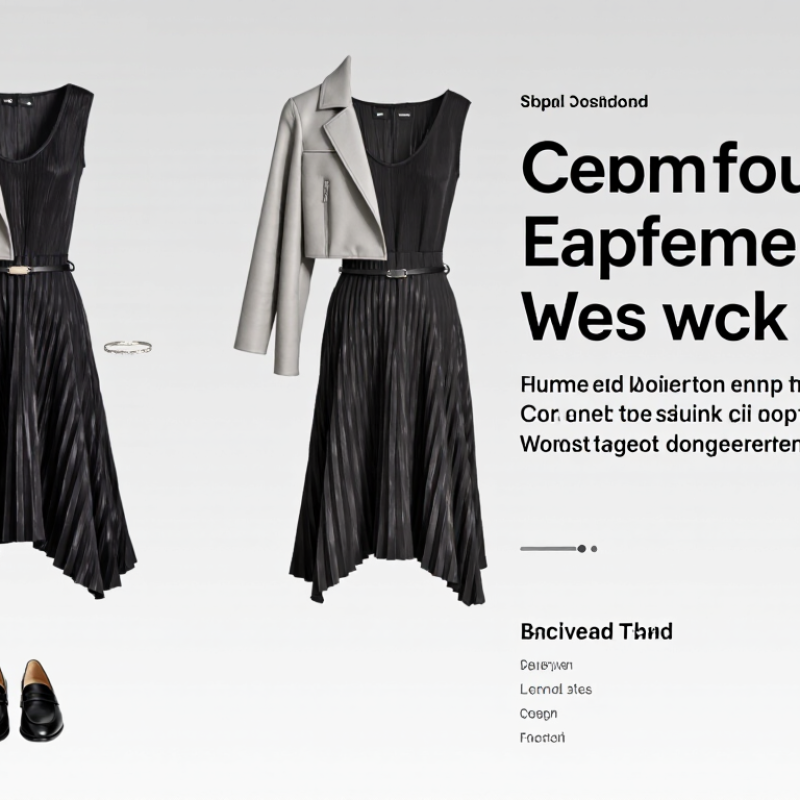
Styling can remain simple. Add structured loafers, a slim belt, or a cropped jacket for definition. Silver jewelry can sharpen the dark color, while soft knitwear makes the look less formal. The strongest choice is usually the one that supports real movement. A must-have should work beyond photographs. It should feel dependable when plans change, weather shifts, or the day lasts longer than expected.
Why Is a Black Pleated Dress a Must Have?

What Defines a Black Pleated Dress?

A black pleated dress is defined by its folds, fabric, and controlled movement. Pleats may be narrow and sharp, or wide and softly pressed. Their spacing changes the dress’s entire character. Even the black color is not one-dimensional. A matte fabric looks quiet and refined, while satin reflects light with every step. The best designs keep the pleats regular from the waist to the hem. Small inconsistencies can make the garment appear poorly finished.

Fit is equally important. A well-made black pleated dress should follow the body without trapping it. The waist may be shaped, but the skirt needs room to expand naturally. When walking, the pleats should open briefly, then return to place. That movement shows the quality of the fabric and construction. Lightweight polyester holds sharp folds well, while chiffon creates a softer, floating effect. Neither is automatically better. It depends on the desired silhouette and occasion.

Details define its practical value. A lined bodice prevents transparency, and secure seams improve comfort during long wear. Pockets are useful, though they can disturb the side pleats if placed carelessly. I once preferred an extremely structured style, but it felt stiff after several hours. That experience changed my view. A black pleated dress should look polished, yet still allow ordinary movement, seated meals, and imperfect days.

Why Black Pleats Suit Different Body Shapes

Why Is a Black Pleated Dress a Must Have?

Black pleats suit different body shapes because they create movement without demanding one “ideal” figure. The SizeUK survey measured more than 11,000 people with 3D body scanners. Its findings showed substantial variation in body proportions, even among people sharing the same clothing size. This matters because fit should respond to proportion, not just a number on a label.

Vertical pleats can visually lengthen the body, while softer, wider pleats skim over the hips. A defined waistband can support an hourglass shape. A higher waistline may balance a shorter torso. For fuller busts, a V-shaped neckline and controlled pleating can reduce visual weight near the chest. Straight body shapes may benefit from a pleated skirt that adds gentle volume below the waist. These are styling observations, not rules. Sometimes the dress looks better with imperfect symmetry.

Tips: Check the pleat direction while standing and sitting. Choose a waistband that lies flat, not one that cuts in. Fine pleats often drape closely, while broad pleats create more structure. Black can hide shadows, but it cannot fix poor fit. The International Textile and Apparel Association has repeatedly highlighted fit as a central factor in clothing satisfaction, yet body-scan research remains limited and region-specific. Try the dress under natural light. Walk, sit, and lift your arms before deciding.

How to Choose the Right Fabric and Pleat Style

Black pleated dresses earn their place because they move easily from office hours to evening plans. Yet the fabric decides whether the dress looks polished or tired. I have found lightweight crepe useful for clean folds and a smooth drape. It resists obvious creasing during long commutes. Polyester blends can hold pleats well, but breathability varies. Natural fibers feel cooler, though they may soften or lose sharpness after washing. Check the care label before buying. A beautiful dress that needs constant pressing may stay unworn.

Pleat style changes the body’s visual rhythm. Knife pleats create narrow, repeated lines and often look neat with a fitted bodice. Box pleats add structure and can give the skirt more volume. Accordion pleats feel fluid, especially when walking, but they may cling in static weather. Sunray pleats widen gradually from the waist, which can lengthen the silhouette without adding heavy bulk. Try sitting, turning, and lifting your arms. The folds should open smoothly, not pull across the hips or chest.

I once chose a dramatic accordion style without checking the lining. It looked elegant under store lights, then felt transparent outdoors. That mistake changed my fitting routine. Now I inspect the fabric in daylight and test the waistband after a full breath. Pleats are not automatically flattering. Proportion matters. A shorter frame may prefer finer pleats, while a taller frame can often handle deeper folds. Choose the texture you will truly wear, not merely admire.

Ways to Style a Black Pleated Dress

A black pleated dress earns its place through simple styling flexibility. For daytime, pair it with clean white sneakers and a short denim jacket. The contrast makes the pleats feel relaxed, not overly formal. Add a small leather crossbody bag for practical movement. A cropped jacket also helps define the waist without hiding the dress’s shape. Keep jewelry restrained. The pleats already create visual texture. Small hoops or a slim watch are usually enough.

For office settings, choose a structured blazer and low block heels. A narrow belt can sharpen the silhouette, especially when the dress hangs loosely. Neutral shades such as beige, gray, or burgundy add depth without competing with black. For evening plans, replace the blazer with a fitted knit cardigan or a satin wrap. Pointed shoes can lengthen the overall line. I prefer a low heel when walking is involved. Comfort changes the way an outfit looks.

Seasonal details matter. In cooler weather, wear opaque tights and tall boots under a wool coat. In warmer months, try flat sandals and a lightweight scarf tied to the bag. Check the fabric before adding layers; heavy pleats can become bulky quickly. I sometimes over-style this dress, then remove one accessory before leaving. That small correction usually improves the outfit. Waist placement also deserves attention. A belt worn too high may make the proportions feel awkward.

Why Is a Black Pleated Dress a Must-Have?

One black pleated dress can support several outfit formulas. The chart counts the total number of clothing and accessory pieces used in each practical styling direction.

Styling examples: office — blazer, pumps, tote; weekend — denim jacket, sneakers, crossbody bag; evening — heels, clutch, jewelry; cold weather — coat, boots, belt, tights.

How to Care for and Maintain Pleated Fabric

A black pleated dress looks polished because its folds catch light with every movement. However, those folds need careful handling. Always read the care label before washing, because polyester, rayon, and wool respond differently to moisture and heat.

For routine cleaning, remove surface dust with a soft clothes brush. Wash the dress gently in cool water when the label allows it. Use a mild detergent, and avoid soaking it for a long time. Never twist or wring the fabric. Press water out with a clean towel instead. I once rushed this step and flattened several pleats. It was a useful mistake.

Shape the pleats by hand while the dress is damp. Then hang it from a wide, padded hanger. Keep the folds hanging naturally. Avoid metal clips, which can leave sharp marks. If wrinkles appear, use a steamer from a short distance. Do not press the iron directly onto the pleats unless the care label specifically permits it. Heat can permanently soften their structure. Let the dress dry away from direct sunlight, radiators, and crowded wardrobes.

Store the dress in a breathable garment bag. Plastic can trap moisture and create an unpleasant smell. Check the hem and waistband before each wear. Small stains should be treated quickly with a damp cloth, not aggressive rubbing. These methods are dependable, but no fabric behaves exactly the same. When uncertain, test a hidden seam or consult a qualified cleaner experienced with pleated garments.

Why Is a Black Pleated Dress a Must Have? - How to Care for and Maintain Pleated Fabric

A black pleated dress combines a versatile color with structured texture. The guide below explains its practical benefits and the care methods that help preserve pleat definition.

Category Key Information Practical Benefit Care Recommendation Suggested Frequency
Versatility Black is a neutral color that can be paired with light, bright, or muted shades. One dress can work for casual, office, evening, and semi-formal outfits through changes in shoes, layers, and accessories. Store the dress separately from garments with rough zippers or sharp embellishments that may catch the pleats. Whenever the dress is stored
Visual Structure Pleats create repeated vertical lines and add texture without requiring a printed pattern. The dress keeps a defined silhouette while allowing movement and visual interest. Avoid placing heavy items on top of the garment, as prolonged compression can flatten pleats. Every time it is stored
Movement Accordion and knife pleats expand and contract as the fabric moves. The garment can provide ease of movement and a flowing appearance when walking. Use a suitable hanger or fold the dress loosely along its original pleat lines. After each wear
Fabric Check Care requirements depend on the fiber content, fabric finish, lining, and construction. Correct care reduces the risk of shrinkage, color change, distortion, or loss of pleat definition. Read the garment care label before washing, steaming, ironing, or dry cleaning. Before the first cleaning
Washing Some pleated garments can be gently hand-washed, while others require professional cleaning. Following the stated method helps protect both the fabric and the permanent or heat-set pleats. For washable garments, use cool water, mild detergent, and gentle handling. Do not twist or wring. Only when cleaning is needed
Drying High heat and forceful handling can affect synthetic fibers, linings, and pleat shape. Controlled drying helps the dress retain its original dimensions and texture. Reshape the pleats while damp and air-dry as directed. Avoid tumble drying unless the care label permits it. After every wash
Wrinkle Care Pleated fabric should not be treated like a flat woven garment during pressing. Gentle wrinkle removal minimizes the chance of flattening or creating unwanted fold lines. Hang the dress in a steamy bathroom or use a steamer from a safe distance. Avoid pressing directly across the pleats unless permitted. Before wearing, as needed
Ironing Direct high heat may damage heat-sensitive fibers or alter pleat formation. Using the correct temperature protects the surface and helps maintain the garment’s structure. If ironing is allowed, use the lowest suitable temperature, place a pressing cloth between the iron and fabric, and follow the pleat direction. Only when necessary
Stain Care Rubbing can spread a stain and may disturb the texture of closely spaced pleats. Prompt, gentle treatment can reduce the need for aggressive cleaning. Blot spills with a clean, absorbent cloth. Test any approved cleaning method on a hidden area first. As soon as a spill occurs
Storage Long-term compression, moisture, and poor airflow may contribute to odor or shape changes. Proper storage supports the garment’s appearance between wears. Store the dress clean and completely dry in a cool, dry, well-ventilated space. Keep it away from direct sunlight to reduce fading. Throughout the storage period
Inspection Seams, hems, waistbands, fasteners, and pleat edges can show wear before the main fabric does. Early repairs can prevent minor damage from becoming more extensive. Check for loose threads, pulled pleats, missing fasteners, and stains before putting the dress away. After each wear

Important: The garment care label takes priority over general advice because pleat construction and fabric performance vary by fiber, finish, lining, and manufacturing method.

FAQS

Why can a black pleated dress suit many body shapes?

Pleats create movement without requiring one ideal figure. Fit should follow body proportions, not only the clothing size.

How can pleat direction affect the silhouette?

Vertical pleats can make the body appear longer. Wider pleats softly skim over the hips and create gentle structure.

Which details may help balance different proportions?

A defined waistband can support an hourglass shape. A higher waistline may balance a shorter torso. These are suggestions, not rules.

What neckline may suit a fuller bust?

A V-shaped neckline can reduce visual weight near the chest. Controlled pleating may also create a calmer line.

How can a straight body shape wear pleats?

A pleated skirt can add gentle volume below the waist. Imperfect symmetry may sometimes look more natural than strict shaping.

How should the dress be checked before buying?

Check the pleats while standing and sitting. Walk, sit, and lift your arms under natural light. Fit matters more.

How can the dress work for daytime and office settings?

Wear clean sneakers and a short denim jacket for relaxed daytime styling. For work, try a structured blazer and low block heels.

How can accessories improve the outfit without overwhelming it?

Use small hoops, a slim watch, or a compact crossbody bag. The pleats already provide texture, so restraint usually works better.

What seasonal layers work with a black pleated dress?

Try opaque tights and tall boots under a wool coat in cooler weather. Flat sandals and a light scarf suit warmer days.

What styling mistakes should be reconsidered?

Heavy pleats can become bulky under thick layers. A belt worn too high may distort proportions. I sometimes remove one accessory before leaving.

Conclusion

A Black Pleated Dress is a timeless wardrobe essential that combines elegance, movement, and versatility. Defined by its structured folds, it can range from finely pressed pleats to wider, sculptural styles, creating different levels of texture and volume. Because black visually streamlines the silhouette while pleats add shape and dimension, this dress can flatter many body types. The right pleat direction, waist placement, and dress length can help balance proportions and create a comfortable, confident fit.

Choosing the ideal fabric depends on the desired effect: lightweight materials create graceful movement, while firmer fabrics offer more structure. A Black Pleated Dress can be styled with casual shoes and a simple jacket for daytime or refined accessories and elegant footwear for evening occasions. To preserve its appearance, follow the care label, avoid unnecessary heat, wash gently when appropriate, and store the dress carefully so the pleats remain defined.

Mason

Mason

Mason is a seasoned marketing professional with a deep expertise in the company's offerings and a passion for driving brand awareness. With a strong background in digital marketing strategies, he has an innate ability to connect with diverse audiences and effectively communicate product benefits.......