
In the dynamic world of fashion, the choice of materials can define a collection's success. "Please Pleats" has become a favorite among designers seeking texture and versatility. Renowned fashion expert Dr. Emily Hartman once stated, "Incorporating pleats transforms the ordinary into extraordinary." This sentiment captures the essence of using "Please Pleats" in modern fashion design.
Pleats add depth and movement to garments, enhancing visual appeal. The craftsmanship in "Please Pleats" ensures a flawless drape, making outfits truly stand out. Designers often express the challenge of balancing style and functionality, yet "Please Pleats" achieves this harmony perfectly.
However, not every design experience with pleats is flawless. Some designers find it's easy to overdo the pleating, risking a cluttered look. Reflecting on this can lead to more thoughtful applications in collections. Leveraging the expertise of "Please Pleats" can help navigate these creative pitfalls, establishing a reputation for elegance and innovation in fashion.
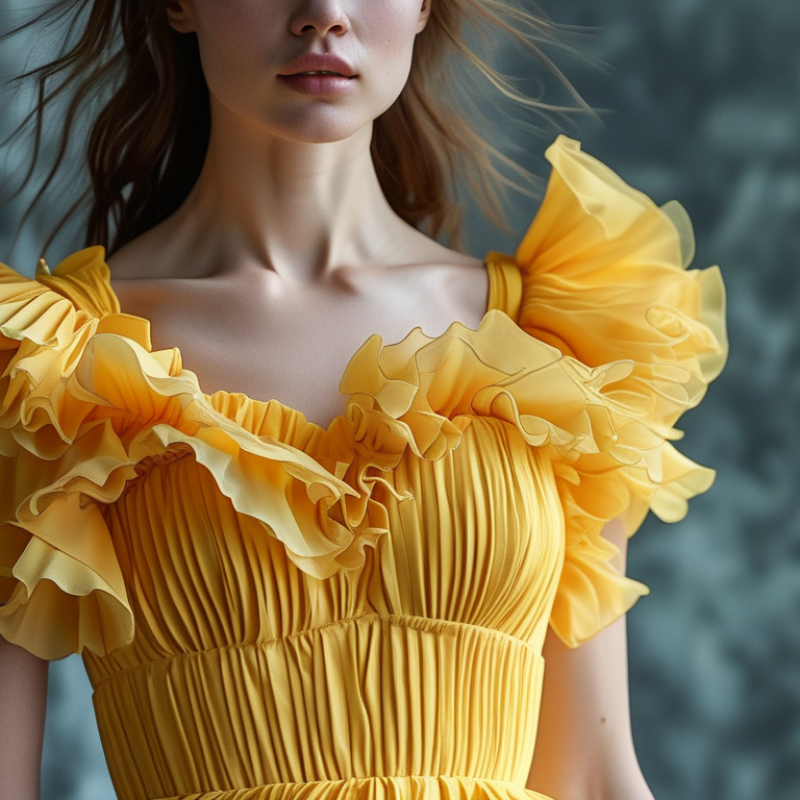
Pleats have a unique aesthetic in fashion design. They add depth and texture to garments while also creating movement. The flow of pleated fabric can bring an outfit to life, responding beautifully to the wearer’s movements. This dynamic quality makes pleats a powerful design choice.
When incorporating pleats, designers explore rational and creative limits. Each fold can alter the silhouette and spatial perception of a garment. A well-placed pleat can enlarge the body’s proportions or draw attention to specific areas. This complexity invites reflection on how we perceive shape and form in fashion.
Some pleated designs can fall flat, lacking the intended impact. Mistakes in fabric choice or pattern can diminish the beauty of pleats. It’s essential to experiment. Be prepared to analyze what works and what doesn’t. Embracing imperfections can lead to more innovative designs, breathing fresh air into the creative process.
Pleated fabrics offer a unique texture that enhances any fashion collection. Their ability to create volume makes them ideal for both elegant gowns and casual dresses. Designers appreciate pleats because they allow for movement. The fabric floats effortlessly with every step, making garments feel dynamic.
The versatility of pleated materials extends beyond formalwear. Think of pleated skirts paired with graphic tees for a chic daytime look. These fabrics can be styled in many ways, appealing to a broad audience. However, achieving the perfect pleat can be challenging. It requires careful planning and precise sewing techniques. Sometimes, the pleats may not sit as desired or may require adjustments after completion.
Exploring pleats also means understanding various fabric types. Chiffon, silk, and cotton all behave differently when pleated. The same design may look stunning in one material and fall flat in another. Designers must experiment to find the right match. There is beauty in this process, yet it demands patience and reflection on the outcomes.
Sustainability is becoming a beacon in the fashion industry. Brands now face pressures to adopt eco-friendly practices. Reports indicate that around 66% of global consumers are willing to spend more on sustainable products. This trend reshapes sourcing strategies and production methods. Consumers demand transparency and environmental responsibility from their favorite labels.
Please Pleats stands out with its innovative approach to sustainability. The brand utilizes recycled materials to minimize waste. This reduces the carbon footprint significantly. In fact, the production of recycled fibers can cut down emissions by 70% compared to virgin materials. However, some challenges remain. The recycling process is not perfect and often involves energy-intensive operations. This inconsistency raises questions about true sustainability.
Additionally, the brand's commitment to ethical labor practices sets a positive example. It prioritizes partnerships with artisans who receive fair wages. Studies show that ethical practices can enhance brand loyalty, with 60% of consumers favoring companies with socially responsible initiatives. Yet, achieving complete transparency in supply chains is ongoing work. The quest for 100% sustainable and ethical fashion is complicated and requires collective effort.
In the world of fashion, pleating is more than a technique; it’s an art form. Influential designers often spotlight this method in their collections. Each pleat tells a story, adding texture and dimension to garments. Some designers prefer sharp, tailored pleats, while others opt for softer, flowing variations. These choices reflect their unique visions. The play of light and shadow on pleated fabrics creates captivating visual effects.
Many designers emphasize sustainability in their work. They see pleats as a way to transform fabric, minimizing waste. This approach challenges traditional practices and encourages creativity. While some may view pleating as complex, experts believe it opens doors to innovation. The impact of pleats can be profound, bringing both elegance and functionality to designs.
Feedback from runway shows reveals mixed reactions. Some critics point out that not all pleated designs resonate with audiences. Others appreciate the boldness and freshness that pleats can bring to a collection. This diversity of opinion highlights the subjective nature of fashion. Designers continue to explore pleats, constantly evolving their styles and techniques, making this trend a fascinating aspect of modern fashion discourse.
Pleated fashion items are gaining momentum in today’s market. This trend reflects a blend of comfort and style. Designers are noticing how pleats can transform simple garments into eye-catching pieces. In various fabrics, pleats add texture and movement, making outfits more dynamic.
The versatility of pleated items appeals to a broad audience. From skirts to blouses, they suit many occasions. However, not every pleated design resonates with everyone. Some may find certain styles outdated or overly formal. It’s essential to assess how pleats fit into modern wardrobes.
Consumers are drawn to unique pleated designs that enhance personal style. Many seek pieces that stand out while remaining functional. This balance is crucial as market demands evolve. Innovations in pleating techniques also play a role in this trend’s growth. Yet, designers must remain cautious. Over-saturation could dilute the appeal of pleated items and complicate future collections.
: Pleated fabrics feature unique textures that enhance fashion collections. They create volume and movement in garments.
Pleated fabrics can be styled in many ways. For example, they look great with graphic tees or elegant gowns.
Achieving the perfect pleat can be tough. Pleats may not sit as expected and adjustments might be needed.
Different fabrics like chiffon and silk behave uniquely when pleated. A design may succeed in one fabric but not another.
Designers see pleating as an art form. Each pleat adds texture, telling a story that reflects their vision.
Many designers use pleats to minimize fabric waste. This approach encourages creativity and challenges traditional methods.
Responses to pleated designs vary greatly. Some appreciate their boldness, while others may not connect with the style.
The process of experimenting with pleats allows for innovation. It also requires patience and reflection on designs.
Yes, some view pleating as complex. Yet, experts believe this complexity opens new avenues for creative expression.
Fashion is subjective, and evolving pleated styles ensures they stay relevant and engaging to audiences.
Please Pleats" exemplifies a unique aesthetic in fashion design, offering a fresh perspective that elevates collections with its distinct texture and fluidity. The versatility of pleated fabrics allows designers to explore various styles, from chic silhouettes to modern interpretations, making them suitable for a wide range of fashion items. Furthermore, "Please Pleats" stands at the forefront of sustainability practices, utilizing eco-friendly materials and methods that resonate with today's environmentally conscious consumers.
As the popularity of pleated fashion continues to rise, influential designers are increasingly incorporating "Please Pleats" into their work, showcasing the trend's adaptability and relevance in contemporary fashion. Market trends indicate a growing demand for pleated pieces, signifying that this timeless design element not only enhances aesthetic appeal but also aligns with the values of sustainability and innovation, making "Please Pleats" an essential choice for the next fashion collection.
