
Engineered with high-twist 3D memory yarns, optimized for Kathmandu’s microclimates and premium retail centers in Durbar Marg, Thamel, and Lalitpur.
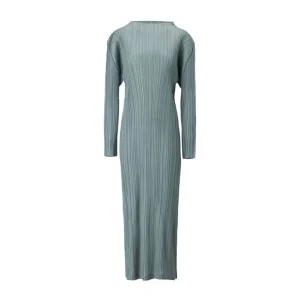
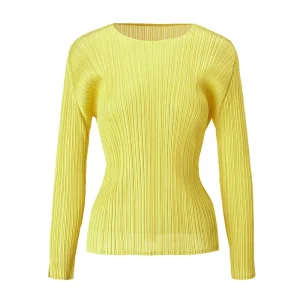
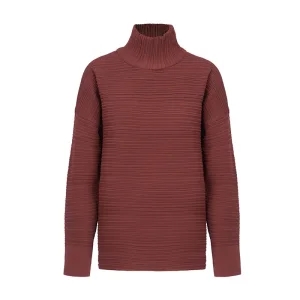
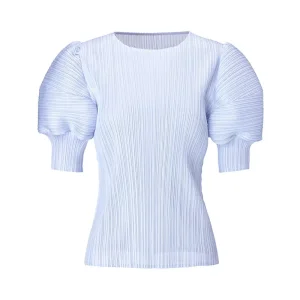
The Kathmandu Valley—comprising the commercial hubs of Kathmandu, Patan (Lalitpur), and Bhaktapur—is undergoing a profound transformation in its retail apparel sector. Driven by a rapidly growing urban middle class, increased disposable income, and a booming boutique fashion market along Durbar Marg, Jhamsikhel, and Thamel, demand for high-end, low-maintenance, sophisticated womenswear has reached an all-time high. Among contemporary fashion categories, the long sleeve pleated blouse has emerged as an indispensable hero product for Nepali retailers, corporate outfitters, and high-street fashion labels.
Kathmandu’s unique geographic position and temperate climate present specific functional requirements for fashion garments. Situated at an altitude of 1,400 meters, the valley experiences mild, sunny days alongside cool evenings for much of the year. Consumers require versatile apparel that provides thermal comfort, breathability, and year-round aesthetic appeal. Long sleeve micro-pleated blouses—manufactured using high-density thermo-set polyester and eco-friendly viscose blends—offer the perfect synergy of architectural structure, lightweight breathability, and climate adaptability.
High-end Nepali consumers demand luxury aesthetics without the associated maintenance. Thermo-fixed micro-pleated blouses provide a permanent, non-iron structured elegance that aligns with upscale boutique expectations.
Kathmandu’s luxury hotels (Soaltee, Marriott, Hyatt Regency) and financial institutions require durable, uniform-standard long sleeve blouses that retain pleat sharpness despite repeated commercial laundering.
Efficient supply routes via overland trucking (Tatopani & Rasuwagadhi border crossings) and direct air cargo into Tribhuvan International Airport (TIA) enable seamless Chinese OEM manufacturing partnerships.
Pleating is not merely decorative—it is high-precision chemical and thermal engineering. Explore our proprietary manufacturing standards engineered for permanent dimensional stability.
| Technical Parameters | Standard Commercial Grade | Our Industry 4.0 OEM Standard for Kathmandu | B2B Quality Advantage |
|---|---|---|---|
| Thermo-Fixation Heat Range | 140°C - 160°C | 180°C - 210°C (Digital Control) | Prevents pleat collapse during hot iron/wash cycles. |
| Yarn Twist Density | 300 - 400 TPM | 600 - 800 TPM High-Multi Yarn | Unmatched drape, zero static, superior crease recovery. |
| Pleat Memory Retention | Class 3.0 (20 Washes) | Class 4.5+ (AATCC 135 Standard 50+ Washes) | Permanent architectural memory; zero iron required. |
| Color Fastness (Light/Wash) | Grade 3 | Grade 4.5 (Disperse Reactive Dyeing) | Resists intense UV fading high in the Himalayan climate. |
| Eco Certification | Basic Reach Compliant | OEKO-TEX Standard 100 Class I certified | Hypoallergenic, skin-safe, non-toxic organic dyestuffs. |
Our smart manufacturing facility leverages computer-controlled Machine Pleating (Kristal & Sunray) combined with artisan hand-folding techniques. When processing long sleeve blouses, tension control across the sleeve cap, cuff, and bodice is critical. By maintaining a strict molecular glass transition temperature ($T_g$) during the heat-setting phase, synthetic fiber polymer chains realign into rigid, crystalline pleat edges. This guarantees that whether a garment is packed into high-density air cargo crates or folded in a retail stockroom in Kathmandu, it unfolds crisp, wrinkle-free, and immediately floor-ready.
Connecting China’s advanced textile manufacturing hubs directly with Kathmandu importers through digitized workflow management.
Precision is essential when matching pleated sleeve seams to body panels. Our automated CAD nestings calculate shrinkage allowances post-pleating with millimeter accuracy, reducing fabric waste to under 1.2% while assuring identical sizing across production batches.
Every single batch bound for Kathmandu undergoes strict Four-Point System raw material inspection followed by AQL 1.5 final garment auditing. We inspect pleat pitch uniformity, seam strength, thread tension, and button-pull tolerance.
Request custom fabric swatches, OEM catalog pricing, and low MOQ trial order options today.
From initial sketch concept to custom packaging delivered directly to your warehouse in Kathmandu.
We empower independent boutiques in Kathmandu by offering flexible minimum order quantities (starting as low as 50–100 pieces per style/colorway). This minimizes initial capital lockup and stock holding risks.
Complete OEM customization including woven main labels, satin care labels with Nepali translation/compliance icons, custom swing tags, and eco-friendly branded polybags ready for point-of-sale display.
Match your brand’s exact seasonal palette. Our master dye lab utilizes computer spectrophotometry to guarantee 99% color precision across different dye lots for consistent apparel continuity.
Importing commercial apparel into Nepal requires strict adherence to customs documentation, tariff codes, and cross-border logistics routes. Our export management department provides complete end-to-end guidance to simplify the procurement lifecycle for Kathmandu-based enterprises.
We supply complete documentation packages tailored to Nepal Customs Department requirements, including Harmonized System (HS Code 6206.40 for synthetic pleated blouses), Commercial Invoice, Packing List, Certificate of Origin (COO), and Clean Bill of Lading / Airway Bill. This ensures smooth clearance at Tatopani, Rasuwagadhi, or Birgunj Dry Port.
To support financial compliance under Nepal Rastra Bank guidelines, we accept Letters of Credit (L/C at sight) issued by leading commercial banks in Nepal (such as Nabil Bank, Nepal Investment Mega Bank, and Global IME Bank), as well as telegraphic transfers (T/T), ensuring 100% transaction safety.
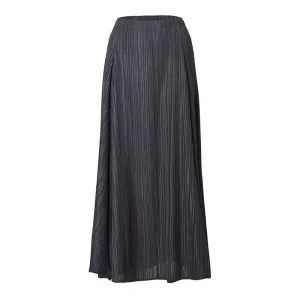
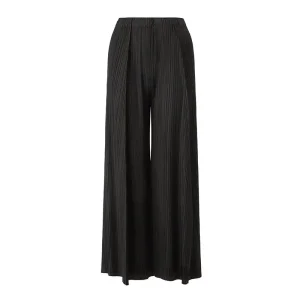
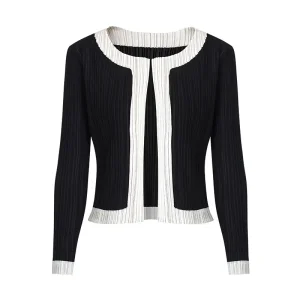
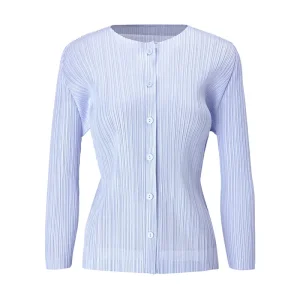
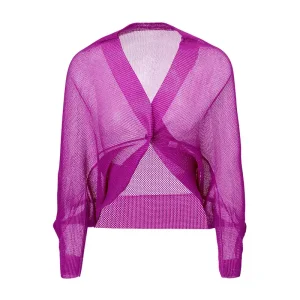
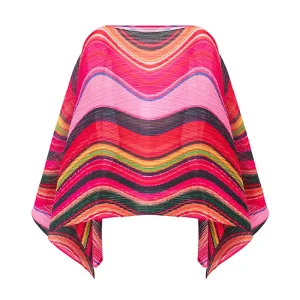
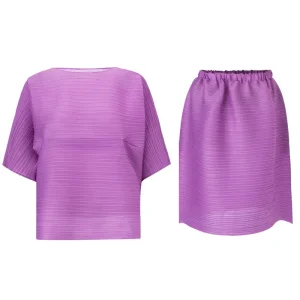
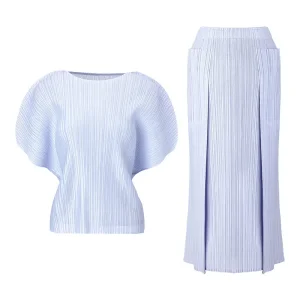
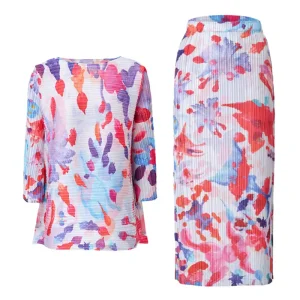
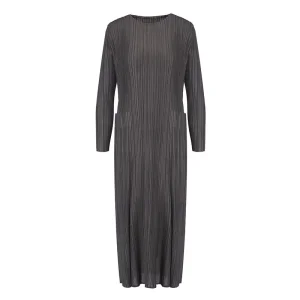
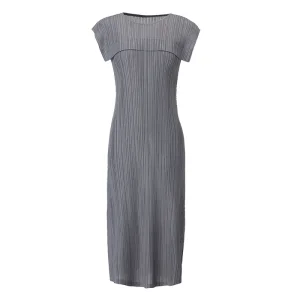
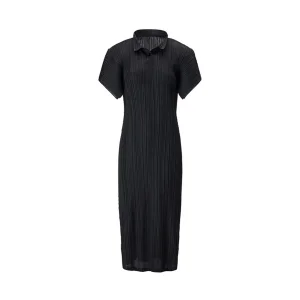
Responsive, high-density manufacturing grid for skirts, pants, cardigans, and set pieces.
Everything you need to know about custom pleating manufacturing, order workflows, and shipping to Nepal.
We offer two primary logistics paths: Air Freight into Tribhuvan International Airport (TIA) takes approximately 5 to 8 business days post-production. Land/Sea Multimodal Freight (via Kolkata Port to Birgunj Dry Port or direct overland trucking via Tatopani/Rasuwagadhi border points) takes approximately 14 to 21 days depending on customs clearance timelines.
Our blouses utilize high-multi filament yarns combined with an anti-static finish during the thermo-fixation pleating cycle. This prevents cling and static build-up during dry winter months in the Kathmandu Valley while maintaining heat-set sharp pleat definition through multiple dry cleans or machine washes.
Yes. While we provide standard European/US size specs, our digital CAD pattern team frequently develops tailored spec sheets adjusted for South Asian body proportions—including revised shoulder widths, sleeve lengths, and bust line allowances for maximum comfort.
For fully customized OEM designs featuring custom dyeing, private woven labels, and specific pleat geometry, our minimum order quantity starts at 100 pieces per style. For in-stock fabrics and running pleat patterns, MOQs can be reduced to 50 pieces per style.
We support standard international trade settlement mechanisms, including Irrevocable Commercial Letter of Credit (L/C at sight) opened through accredited commercial banks in Nepal, as well as T/T bank transfers. All invoices include precise HS code classifications for rapid bank release and customs declaration.
Partner with an established OEM/ODM leader serving Kathmandu's fashion sector. Request your free catalog, lab dips, and sample packs now.